When preparing for your DVSA practical driving test, it’s essential to understand the types of mistakes that can impact your result. These mistakes, commonly known as „major and minor faults,” are crucial in determining whether you pass or fail. This guide will help you understand majors and minors at the driving test.
What Are Major and Minor Faults?
During your DVSA driving test, the examiner will assess your driving skills and note any faults you make. These faults are categorized into three types:
- Dangerous Faults: These involve actual danger to you, the examiner, the public, or property. This is the most severe type of fault.
- Serious Faults: These are potentially dangerous but don’t pose an immediate risk. However, they could lead to dangerous situations.
- Driving Faults: Commonly known as „minors”, these are not dangerous by themselves. However, if repeated multiple times, they could escalate to serious faults.
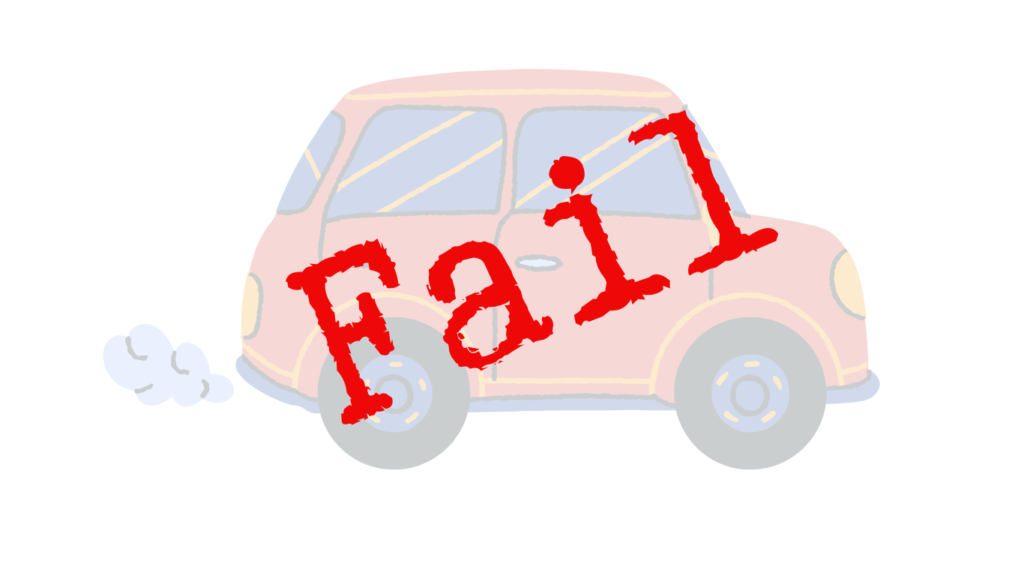
Both dangerous and serious faults are often referred to as „majors”. Even a single major fault will result in an automatic fail. Meanwhile, driving faults or „minors” are not that significant; you can have up to 15 minors and still pass. However, accumulating more than 15 minors or committing three of the same type of minor fault can lead to a fail.
How to Avoid Minors at the Driving Test
Minors, while less severe, can add up. Here are some tips on how to avoid minors at a driving test:
- Check Your Mirrors Frequently: Failing to check mirrors when changing lanes or turning is a common minor. Make it a habit to check your mirrors regularly.
- Use the Handbrake Correctly: You don’t need to use the handbrake at every stop, but ensure it is applied when parked. Failing to do so correctly might result in a minor.
- Maintain Control of the Steering Wheel: Contrary to popular belief, crossing your hands on the wheel is not an automatic fail. However, losing control of the steering is. Practice maintaining a firm grip and control over the wheel at all times.
- Avoid Unnecessary Hesitation: Being overly cautious can lead to holding up traffic, resulting in a minor. If it’s safe to go, proceed without hesitation.
Common Major Faults at the Driving Test
Understanding what constitutes a major fault can help you avoid them during your test. Here are some common major faults that result in an automatic fail:
- Failing to Make Observations at Junctions: This is one of the most common driving test mistakes. Not checking for other vehicles, cyclists, or pedestrians at junctions can be deemed a serious fault. Always use the Mirror-Signal-Manoeuvre (MSM) routine to stay safe.
- Not Giving Way When Required: Failing to yield to oncoming traffic or pedestrians is a dangerous fault. Ensure you know the rules for right of way and follow them strictly.
- Entering a Roundabout Unsafely: Pulling out into a roundabout without sufficient observation can cause accidents. Take your time and wait for a safe gap before entering.
- Poor Control of the Vehicle: This includes stalling in a hazardous situation, failing to steer correctly, or not managing the clutch properly. While stalling alone isn’t always a major fault, doing so at a busy junction could result in a fail.
How to Avoid Majors at the Driving Test
Knowing how to avoid majors at the driving test is key to passing. Here are some strategies:
- Stay Calm and Focused: Nerves can lead to mistakes. Take deep breaths, stay calm, and focus on what you have learned in your driving lessons.
- Understand the Rules of the Road: Be thorough with your understanding of road signs, signals, and rules. Knowledge is power when it comes to avoiding mistakes.
- Practice, Practice, Practice: The more experience you have behind the wheel, the more confident and competent you will be during your test. Consider taking additional driving lessons if you feel uncertain about any aspect of driving.
- Listen to Your Instructor: Always choose professional driving instructors. Your instructor has a wealth of experience teaching and preparing new drivers for the test. Follow the guidance and ask questions about anything you find unclear.
Preparing for the Driving Test in the UK
Passing your DVSA practical driving test requires preparation, practice, and understanding of potential mistakes. Whether you are just starting or need a refresher, comprehensive driving courses can help you hone your skills. At Pass in Days, we offer intensive driving training ranging from 5 to 10 days, tailored to your experience level.
Ready to Book a Driving Course?
Don’t leave your driving test to chance. Book a course with Pass in Days and get the focused, intensive training you need to succeed. Our experienced driving instructors will guide you through everything you need to know to confidently pass your test. Contact us today to find the right course for you and be on your way to becoming a safe and skilled driver.
Start your journey to passing the driving test with confidence—book your course now with Pass in Days!