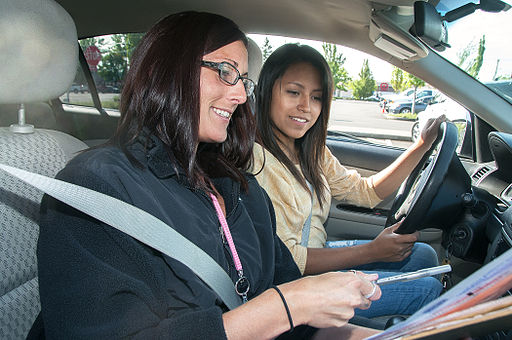
When it comes to taking your driving test, many learners ask whether they can use their own car. The good news is, yes, you can use your own car for the driving test—provided it meets important requirements set out by the DVSA (Driver and Vehicle Standards Agency). However, if your car does not meet these rules, your test will be cancelled, and you will have to pay again to reschedule.
How to meet the rules and avoid problems? Let’s find out!
DVSA Rules About the Car
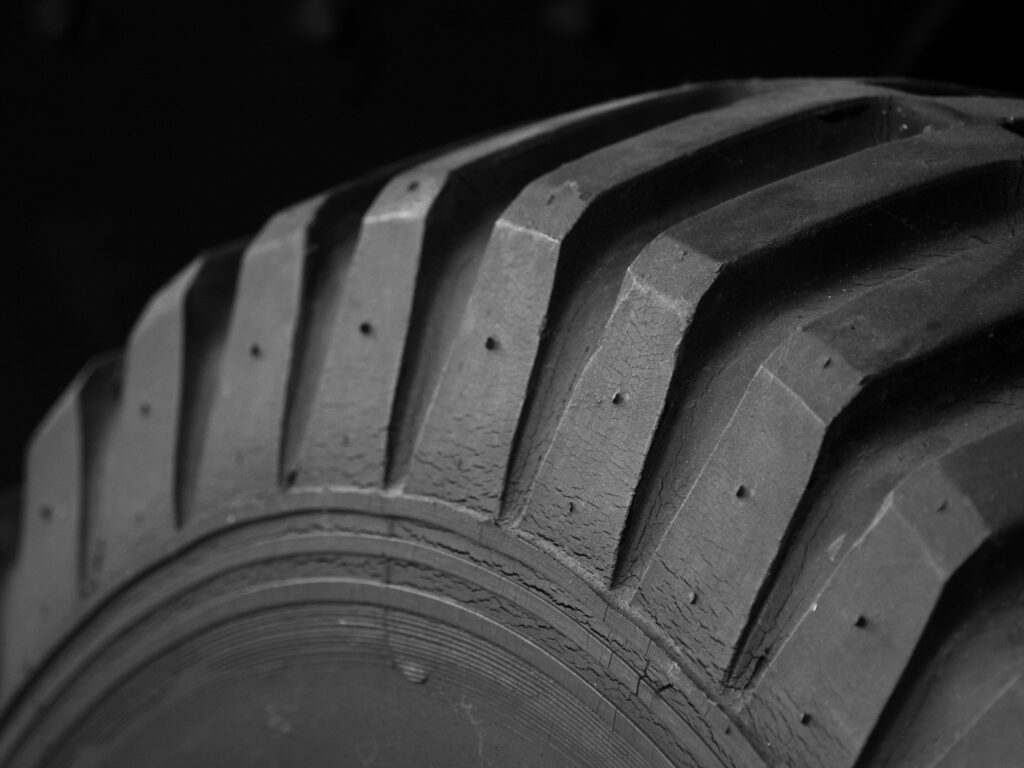
Your car must meet several requirements to be eligible for the driving test. It should be in good condition, with no warning lights, such as the airbag warning light. The car should also be free from any tyre damage, ensuring the tread depth meets legal standards. Additionally, the car must have a functional spare tyre (not a space-saver). It must also be equipped with an extra interior rear-view mirror for the examiner. The car should have a passenger seatbelt and head restraint for the examiner (slip-on types are not allowed).
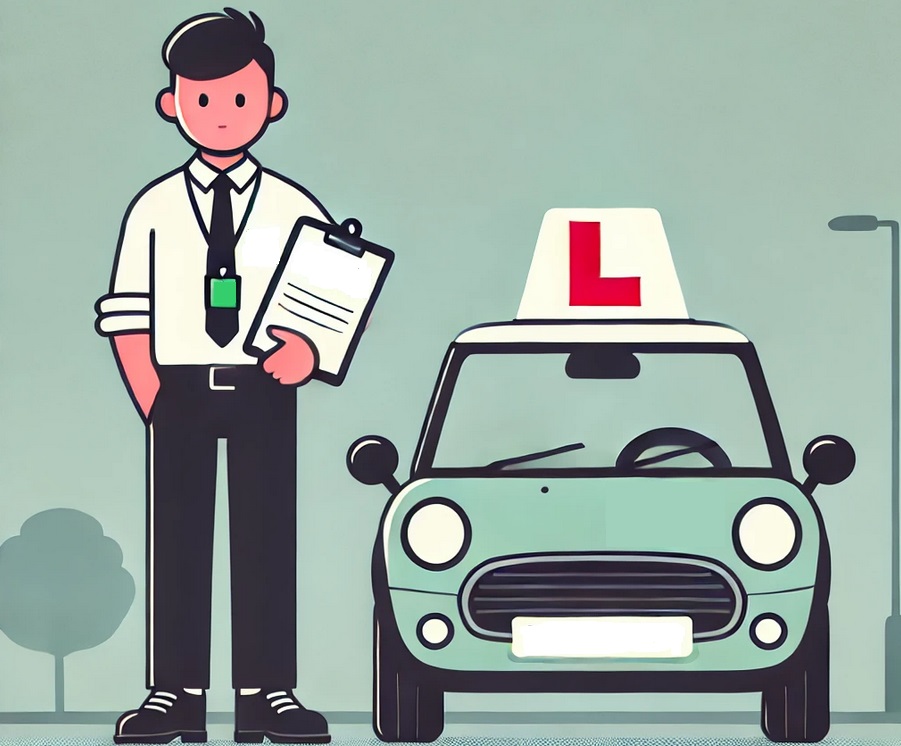
Your vehicle must be capable of reaching at least 62mph, and have an MPH speedometer. L-plates must be displayed on both the front and rear of the car. Finally, the car is required to have four wheels and meet the maximum authorised mass (MAM) of no more than 3,500kg. The MAM refers to the total weight of the car when fully loaded. You can find it in the car’s handbook.
Manual vs. Automatic Cars
You can take your test in either a manual car (with 3 pedals) or an automatic car (with 2 pedals). If you take the test in a semi-automatic car, your driving license will restrict you to automatic and semi-automatic vehicles.
Tinted Windows and Other Restrictions
For safety reasons, your car’s windscreen and front side windows must comply with legal tint regulations. Rear windows do not have specific rules, but excessively dark windows may cause your test to be cancelled if the examiner cannot see clearly.
Dual Controls and Hire Cars
If you’re using your own car, dual controls are not required. However, if you choose to use a hire car, it must have dual controls and meet all other necessary criteria.
Cars That Are Not Allowed
There are certain cars that are not eligible for the test, primarily due to poor visibility for the examiner. These include:
- Panel vans (without rear seats or windows)
- Certain convertible models, like the BMW 218 convertible and VW Beetle convertible
- Small cars like the Smart Fortwo or Toyota iQ
If you’re uncertain whether your car qualifies, always double-check with the DVSA.
Final Thoughts
If you’re planning to use your own car for the test, make sure it meets all the DVSA’s requirements to avoid unnecessary cancellations and rescheduling. If you’re unsure about any specifics or need confirmation, it’s always a good idea to contact the DVSA directly.
Your car doesn’t meet these criteria? Are you looking for a hassle-free option? At Pass in Days we offer driving courses in an intensive format along with fast-track tests (usually secured 90% faster than the regular waiting time). We provide a car for your test, as long as you are safe and ready to participate. This way, you can focus entirely on the test without worrying about vehicle eligibility.
For further information or to book your course, don’t hesitate to get in touch. You can call us on 07413 250 300, visit us on Facebook, or fill in our contact form.