Knowing how to calculate stopping distances is essential for all drivers, including learners. Understanding stopping distances helps prevent accidents and ensures safety on the roads. This article will guide you through calculating stopping distances in various weather conditions, helping you stay safe behind the wheel.
What Are Stopping Distances?
Stopping distance is the total distance a vehicle travels before it comes to a complete stop. It consists of two components: thinking distance and braking distance.
- Thinking distance is the distance covered from the moment a driver sees a hazard to the moment they apply the brakes. This distance depends on the driver’s reaction time.
- Braking distance is the distance the car travels after the brakes are applied until it fully stops. This distance is influenced by road conditions, weather, speed, and the condition of the vehicle.
To calculate the total stopping distance, add the thinking distance to the braking distance.
Calculating Stopping Distances: Normal Conditions
The Highway Code provides average stopping distances for normal driving conditions:
- 20 mph: 12 meters (40 feet)
- 30 mph: 23 meters (75 feet)
- 40 mph: 36 meters (118 feet)
- 50 mph: 53 meters (175 feet)
- 60 mph: 73 meters (240 feet)
- 70 mph: 96 meters (315 feet)
These distances are calculated assuming dry and clear roads with an alert driver. However, stopping distances increase significantly in adverse weather conditions.
How to Calculate Stopping Distances: Wet Conditions
Wet roads reduce the grip between the tyres and the road, increasing braking distances. According to the Highway Code, stopping distances in wet weather can double (at least!) compared to dry conditions. To calculate this:
- Start with the normal stopping distance.
- Multiply the braking distance by 2.
For example, at 30 mph in wet conditions:
- Thinking Distance: 9 meters (30 feet)
- Braking Distance: 14 meters x 2 = 28 meters (90 feet)
- Total Stopping Distance: 9 meters + 28 meters = 37 meters (120 feet)
Calculating Stopping Distances: Icy Roads
Ice drastically reduces tyre traction. Stopping distances on icy roads can be ten times longer than in dry conditions. To calculate this:
- Take the dry condition stopping distance.
- Multiply the braking distance by 10.
For instance, at 20 mph on icy roads:
- Thinking Distance: 6 meters (20 feet)
- Braking Distance: 6 meters x 10 = 60 meters (200 feet)
- Total Stopping Distance: 6 meters + 60 meters = 66 meters (220 feet)
Factors That Affect Thinking Distance
Several factors influence thinking distance:
- Speed: Higher speeds result in longer thinking distances because the vehicle covers more ground while the driver reacts.
- Distractions: Using a phone, eating, or talking can delay reaction times. Stay focused on the road.
- Tiredness: Fatigue slows reaction times. Take regular breaks, especially on long journeys.
Factors That Affect Braking Distance
Braking distance is affected by various conditions:
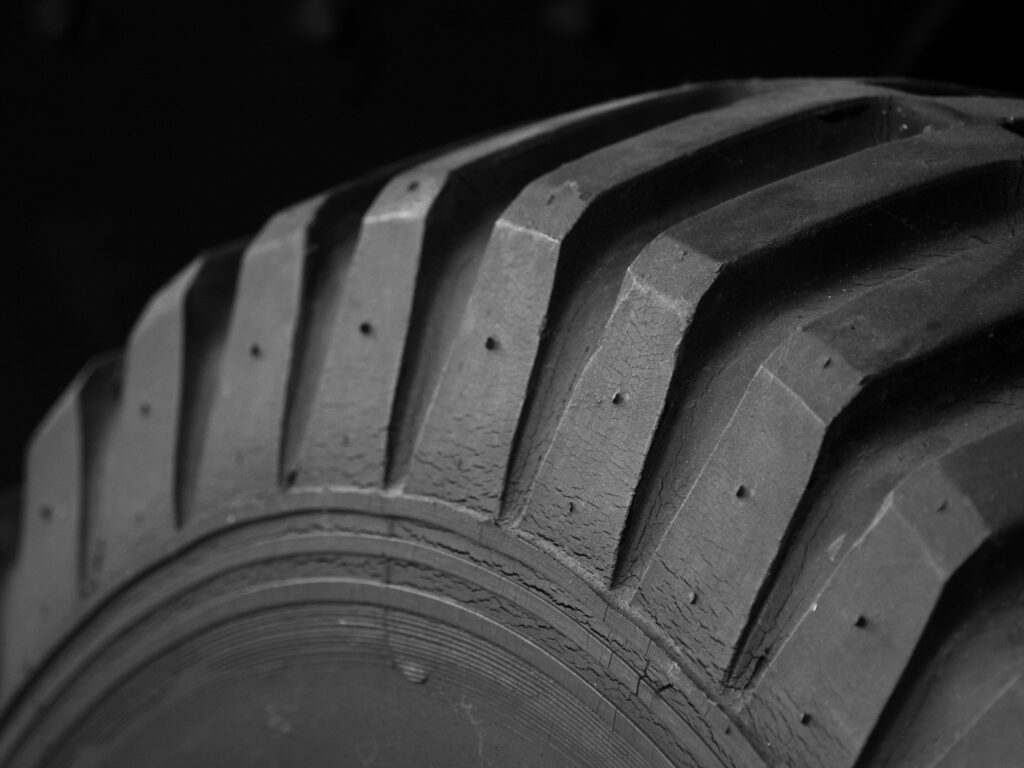
- Car Condition: Worn tyres or brakes increase braking distances. Regular maintenance ensures safety.
- Road Conditions: Loose gravel, mud, or potholes reduce tyre traction, making it harder to stop.
- Vehicle Weight: Heavier vehicles take longer to stop due to the increased momentum.
Practical Tips for Reducing Stopping Distances
- Maintain Your Vehicle: Regularly check tyre tread and pressure. Well-maintained brakes and tyres ensure optimal stopping performance.
- Adjust Speed According to Conditions: Reduce speed in adverse weather to decrease both thinking and braking distances.
- Keep a Safe Distance: Use the two-second rule in normal conditions. Double it to four seconds on wet roads and increase it further on icy roads.
Final Thoughts
Understanding how to calculate stopping distances helps new and experienced drivers stay safe on the road. Always adjust your driving to the road and weather conditions. Keep your vehicle in good condition, stay alert, and drive responsibly.
Looking for more guidance? At Pass in Days, we provide professional driving lessons in the UK, with approved driving instructors who focus on road safety and practical skills. Consider our intensive courses, ranging from 5 to 10 days, to gain confidence on the road quickly.
Contact Pass in Days today by completing our contact form our visiting our Facebook page!